Whoa! The first time I saw a sandwich attack wipe out a sweet trade, I felt something cold in my stomach. Really. Crypto can be exciting and terrifying at the same time. My instinct said: this is solvable. But at first glance it felt inevitable—like traffic in LA at rush hour. Slow. Predatory. Annoying.
Okay, so check this out—MEV (miner/extractor value) isn’t just an abstract academic phrase tossed around at conferences. It’s real money leaking out of ordinary users’ pockets whenever transactions get frontrun, re-ordered, or otherwise exploited by bots and searchers. On one hand, miners (or validators and sequencers in newer stacks) capture value from ordering. Though actually, wait—let me rephrase that: MEV is a byproduct of block production that rewards whoever controls ordering, and that creates perverse incentives.
Initially I thought the only solution was protocol-level—consensus tweaks, new L2 sequencing rules, or private mempools. But then I dug deeper into the user layer and realized wallets can blunt a lot of the pain. Wallets sit at the UX boundary. They see intent, timing, and can simulate outcomes. So they can offer protections that feel immediate to users. I’m biased, but a good wallet is the difference between a safe DeFi evening and waking up to a failed swap and a smaller balance.
What wallets can do — practically
Short answer: a lot. Longer answer: they can simulate transactions, detect likely MEV patterns, and adjust how transactions reach the network. That seems obvious, but most wallets still act like dumb relays—sign here, submit there. Hmm… that’s just risky in today’s market.
Transaction simulation is the unsung hero. A wallet that simulates a swap or a lending action can show probable outcomes before you hit confirm. Think of it like a preflight check. It can surface price impact, expected gas cost, and whether a sniping bot would profit from reordering. Simulations aren’t perfect. They depend on on-chain state snapshots, gas modeling, and mempool dynamics. Still, they reduce surprises. Somethin’ as simple as a clear “this trade looks likely to be frontrun” flag will change user behavior.
Another lever: submission strategies. Wallets can choose how to broadcast transactions—direct to relayers, through privacy-preserving channels, or batched with other txs. Some use private RPC paths to avoid public mempools. Others attach specific gas bidding strategies. None of these guarantees absolute protection, but they reduce exposure. And the more control the wallet gives users without requiring deep-chain knowledge, the better.
Here’s what bugs me about most wallets: they prominently show balances and NFTs but hide the risk profile. You see your numbers, but you don’t see the attack surface. That’s a design failure. UX matters. Users should understand not just “how much” but “how safe.”
Practical features to look for in an advanced Web3 wallet
Short list. Quick scan. Medium-level detail follows.
– Transaction simulation before signing. This should include potential front-running opportunities and estimated slippage under current mempool conditions.
– MEV-aware submission options. Let the user pick private relay, bundle submission, or a default fast-mine path depending on risk tolerance. Fast doesn’t always mean safer—fast can mean more attractive to bots.
– Per-transaction gas strategies that consider both price and priority. Think: dynamic replacement only when necessary, not constant overbidding.
– Clear UX on transaction failure modes. If something might revert because of price changes, show a simple “likely to fail” icon, not a 10-line solana of technical gibberish.
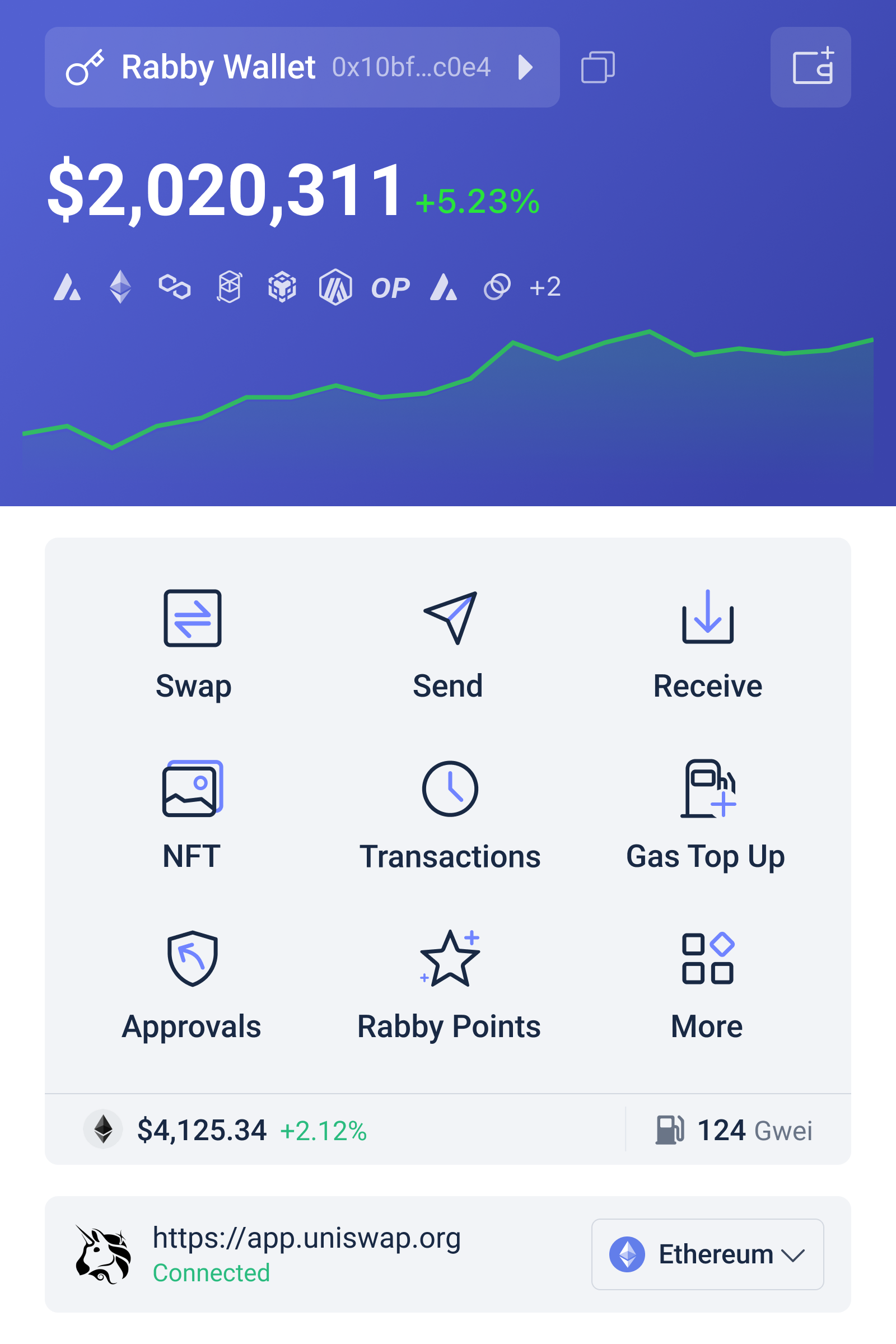
One wallet I’ve been using for this kind of workflow is rabby wallet. They bake simulation and advanced submission into a clean UI so you don’t need to be a DeFi quant to stay safe. I like how it surfaces the trade-offs without being preachy. I’m not shilling hard—just saying what I’ve found useful in day-to-day trading.
System 1 vs System 2 — a trader’s mind
Whoa—this is where psychology meets engineering. Fast thinking says “that token just pumped, buy now.” Slow thinking asks, “will my trade be mined as I intend?” Initially you feel FOMO. Then you run a simulation and see a bot would likely sandwich you. Pretty quickly you step back.
On the one hand, speed is an asset in DeFi. On the other, speed without protection hands profits to extractors. Wallet-level features let System 2 check System 1 before the transaction is finalized. That’s the mental model: quick impulse, then lightweight verification. If the verification is slow or confusing, the user will skip it. So speed and clarity must coexist.
Actually, I’ve caught myself many times—clicking through because I wanted in. Then the wallet popped a simulation showing a probable slippage loss. I cancelled. Simple. That tiny friction saved money. That part feels almost cliched to say, but it’s true. Small nudges matter.
Where wallets fall short—and why protocol work still matters
Short. Honest.
Wallets can reduce risk but cannot eliminate it. They act on what they can observe: mempool state, current chain snapshots, and user intent. But they don’t control consensus. If validators or sequencers design ordering that inherently extracts MEV, some extraction is inevitable. Also, private relays shift where the extraction happens; they don’t erase incentives. So while I favor wallet protections for the immediate user, I’m also rooting for better protocol-level fixes—sequencer fairness rules, proposer-builder separation refinements, payload bidding transparency, and so on.
On the other hand, protocol fixes take time. They require coordination, hard forks, and political will. Wallets can ship features now. So this is one of those “both/and” situations: work on the protocol, ship better wallets, educate users.
Design principles for wallet teams
Keep it human. Keep it fast. And keep the complexity optional.
1) Start with clear defaults. Users shouldn’t need to understand MEV to be protected. Defaults should reduce harm for typical trades. 2) Surface only essential details by default, with deeper technical logs available for power users. 3) Offer simple choices: “Max safety” or “Max speed”, but explain the trade-offs plainly. 4) Audit the simulation engine and show versioned results—trust through transparency, not through slogans.
These aren’t novel suggestions. But they’re rarely implemented well. Too many wallets still prioritize shiny features over protective basics. That bugs me. Really.
FAQ
Can a wallet fully prevent MEV?
No. Wallets can reduce exposure considerably through simulation, private submission, and smarter gas strategies. They cannot change how blocks are built or eliminate incentives at the protocol level. Think of a wallet as a seatbelt—not a full crashproof cabin.
Will these protections slow down my trades?
Sometimes slightly. A quick simulation or using a private relay may add a second or two. Most users trade far better with that delay than without it—because the alternative is unpredictable losses. Trade-offs exist and good UX will make them feel natural, not obstructive.
How do I choose a wallet that balances safety and UX?
Look for pre-execution simulation, MEV-aware submission options, and clear explanations of failure risks. And—I’ll be frank—try it. Use small amounts. Experiment. No tool is perfect, but a wallet that integrates these features will protect you better than one that acts like a dumb signer.
Leave a Reply